
Understanding USP Certification for Supplements
January 1, 2026
Recalibrating Strategic Planning The DPM 2009 and its 2010 Supplement
January 1, 2026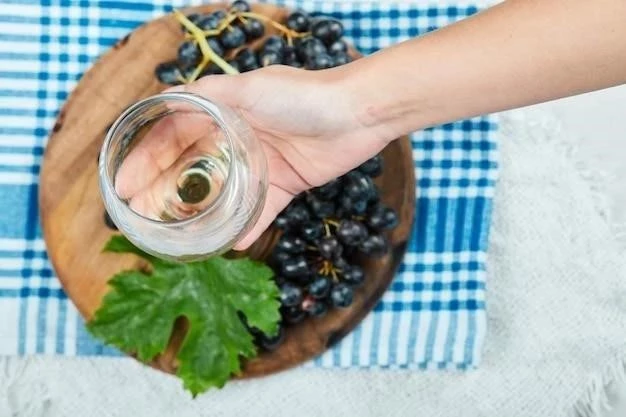
Resveratrol, a naturally occurring polyphenol, has garnered significant and growing attention in the health and wellness community for its purported anti-aging and broad disease-fighting properties․ Found in various plants, most notably the skins of red grapes, red wine, and certain berries, this remarkable compound has been extensively studied for its profound potential to support cardiovascular health, enhance cognitive brain function, and promote profound cellular longevity․ As scientific research continues to unravel its diverse and intricate mechanisms of action, revealing new insights into its cellular effects, resveratrol supplements have emerged as an increasingly popular and accessible way to harness its concentrated benefits, offering precise doses often difficult to achieve through dietary intake alone․ This comprehensive article delves deeply into what resveratrol is, explores its natural and supplemental sources, explains precisely how it works at a cellular level, details its array of potential health benefits, and outlines important considerations for those contemplating its integration into their personal health regimen․
What is Resveratrol? Natural Sources and Forms
Resveratrol is a type of natural phenol and a phytoalexin, a protective antimicrobial substance produced by plants when under environmental stress, such as fungal infection, injury, or exposure to ultraviolet radiation․ It exists in two main isomeric forms: cis- and trans-resveratrol․ Trans-resveratrol is universally recognized as the biologically active form and is predominantly found in high-quality supplements due to its superior stability and enhanced bioavailability within the human body․
Key Dietary Sources:
- Red Wine and Grapes: The skins of red grapes are the most famous source, contributing significantly to the “French paradox” – the observation that the French population exhibits a relatively low incidence of coronary heart disease despite a diet often rich in saturated fats, a phenomenon frequently attributed to their regular, moderate consumption of red wine․
- Berries: A variety of berries, including blueberries, cranberries, mulberries, and lingonberries, contain varying amounts of resveratrol, adding to their overall antioxidant profiles․
- Peanuts and Pistachios: These commonly consumed nuts also contain resveratrol, though typically in lower concentrations compared to grapes and certain berries․
- Japanese Knotweed (Polygonum cuspidatum): This plant is an exceptionally rich source of trans-resveratrol and is, in fact, often utilized as the primary botanical source for commercial resveratrol supplements due to its remarkably high concentration and ease of extraction․
The Science Behind Resveratrol: Mechanisms of Action
The proposed health benefits of resveratrol stem from its multifaceted and intricate biological activities within the body․ Its mechanisms are complex and involve intricate interactions with various cellular pathways, influencing gene expression, enzymatic activities, and cellular signaling cascades crucial for maintaining optimal cellular health and function․
Key Mechanisms Include:
- Antioxidant Properties: Resveratrol functions as a powerful antioxidant, meaning it helps to effectively neutralize harmful free radicals that can cause extensive oxidative stress and profound cellular damage․ Oxidative stress is a well-established key contributor to the aging process and the development of numerous chronic degenerative diseases, making resveratrol’s role in mitigating this damage particularly significant for overall health and disease prevention․
- Anti-inflammatory Effects: It actively modulates complex inflammatory pathways, thereby reducing the production of various pro-inflammatory molecules and cytokines throughout the body; By mitigating chronic systemic inflammation, resveratrol can help address a fundamental root cause of many health issues, ranging from cardiovascular disease to certain neurodegenerative conditions and metabolic disorders․
- Activation of Sirtuins: Perhaps its most celebrated and groundbreaking mechanism is its remarkable ability to activate sirtuins, a family of proteins (particularly SIRT1) often referred to as “longevity genes․” Sirtuins play absolutely crucial roles in regulating cellular metabolism, facilitating DNA repair, and enhancing stress resistance, effectively mimicking the beneficial cellular responses induced by caloric restriction and fasting․ This sirtuin activation is central to many of its purported anti-aging and cellular protective effects․
- AMPK Activation: Resveratrol can activate AMP-activated protein kinase (AMPK), a master regulator enzyme of cellular energy homeostasis․ AMPK activation can lead to significant improvements in insulin sensitivity, a reduction in fat storage, and an enhancement in mitochondrial function, all contributing positively to overall metabolic health and energy balance․
- Mitochondrial Biogenesis: It actively promotes the growth and development of new mitochondria, often dubbed the “powerhouses of cells․” Enhancing mitochondrial function and increasing their numerical density can significantly boost cellular energy production, improve metabolic efficiency, and contribute profoundly to overall cellular vitality and resilience against various stressors․
Potential Health Benefits of Resveratrol Supplements
Research into resveratrol’s health benefits is extensive and ongoing, with many studies showing promising results, particularly in preclinical models․ While human studies are emerging and expanding, it’s important to note that many findings are still considered preliminary and require further confirmation through large-scale, robust clinical trials before definitive health claims can be made․
Cardiovascular Health:
- Blood Pressure Regulation: May help relax and dilate blood vessels by increasing nitric oxide production, potentially contributing to lower blood pressure and improved overall circulation․
- Cholesterol Management: Some studies suggest it can improve cholesterol profiles by reducing levels of low-density lipoprotein (LDL, or “bad”) cholesterol and potentially increasing high-density lipoprotein (HDL, or “good”) cholesterol, thus supporting arterial health․
- Improved Blood Flow: Its potent antioxidant and anti-inflammatory actions support optimal endothelial function, which is crucial for the healthy elasticity and responsiveness of blood vessels, ensuring efficient blood flow throughout the entire cardiovascular system․
- Anti-platelet Effects: Could reduce platelet aggregation, thereby potentially decreasing the risk of harmful blood clots that can lead to acute cardiovascular events like heart attacks or strokes․
Anti-aging and Longevity:
By activating sirtuins and mimicking the cellular effects of caloric restriction, resveratrol is often touted as a leading “anti-aging” compound․ It supports crucial cellular repair mechanisms, enhances stress resistance at a molecular level, and may help protect against cellular senescence, thereby potentially extending cellular lifespan and promoting healthy aging․ This aspect represents one of the most exciting and actively investigated frontiers of resveratrol research․
Brain Health and Cognitive Function:
- Neuroprotection: Its potent antioxidant and anti-inflammatory properties may protect delicate brain cells from oxidative damage and chronic inflammation, both of which are strongly implicated in neurodegenerative processes and cognitive decline․
- Improved Blood Flow to the Brain: Better vascular health, facilitated by resveratrol’s actions on blood vessels, can enhance cerebral blood flow, potentially leading to improved cognitive function, memory retention, and overall brain performance and vitality․
- Amyloid Plaque Reduction: Preliminary studies, particularly in animal models, suggest it might help reduce the accumulation of amyloid plaques, a pathological hallmark of Alzheimer’s disease, although definitive human evidence is still limited and requires further investigation․
Blood Sugar Regulation:
Resveratrol may significantly improve insulin sensitivity and glucose metabolism by activating AMPK and influencing other key metabolic pathways․ This makes it a potential therapeutic aid for individuals managing blood sugar levels and could be beneficial in the context of metabolic syndrome and type 2 diabetes management, always in conjunction with comprehensive medical advice and supervision․
Anti-inflammatory and Antioxidant Support:
These foundational properties underpin many of resveratrol’s potential benefits․ By combating systemic inflammation and neutralizing harmful free radicals, resveratrol helps protect cells and tissues from damage, thereby contributing significantly to the prevention and management of various chronic diseases at a fundamental cellular level throughout the body, supporting overall physiological resilience․
Joint Health:
Due to its significant anti-inflammatory effects, resveratrol may help alleviate symptoms associated with inflammatory joint conditions such as osteoarthritis and rheumatoid arthritis․ By reducing inflammation in joint tissues, it could potentially improve comfort, reduce stiffness, and enhance mobility, although more direct and extensive human clinical evidence is needed to confirm these benefits definitively․
Dosage, Bioavailability, and Supplementation Considerations
The optimal dosage of resveratrol is still under investigation and can vary widely depending on the specific health goal or desired effect․ Most commercial supplements range from 100 mg to 1000 mg of trans-resveratrol per serving․ It is crucial to strictly follow product instructions or, ideally, consult with a qualified healthcare professional for personalized guidance tailored to individual needs․
Bioavailability Challenges:
A significant challenge with oral resveratrol supplementation is its relatively low bioavailability․ Once ingested, it is rapidly and extensively metabolized in the liver and intestines through processes like glucuronidation and sulfation․ This means that only a small fraction of the ingested compound reaches systemic circulation in its active, unconjugated form, significantly limiting its direct therapeutic impact and the concentration available to target tissues․
Strategies to Enhance Absorption:
- Liposomal Formulations: Encapsulating resveratrol in liposomes (tiny lipid bubbles) can effectively protect it from premature degradation in the harsh digestive tract and significantly improve its absorption into the bloodstream, thereby substantially enhancing its overall bioavailability․
- Micronized Resveratrol: Reducing the particle size of resveratrol through micronization can dramatically increase its surface area, potentially leading to better dissolution and more efficient absorption across the intestinal barrier․
- Co-administration with Piperine: Piperine, an active extract derived from black pepper, is known to inhibit certain metabolic enzymes (like glucuronosyltransferases) that break down resveratrol․ Taking resveratrol concurrently with piperine can therefore potentially increase its bioavailability and extend its beneficial presence in the body․
- Taken with Fatty Meals: Some scientific studies suggest that taking resveratrol with a meal containing healthy fats can significantly improve its absorption, as it is a lipophilic (fat-soluble) compound․
Potential Side Effects and Safety
Resveratrol is generally considered safe for most people when consumed in moderate doses (typically up to 500 mg daily)․ However, like any active compound, higher doses (e․g․, above 1000 mg) can sometimes lead to undesirable side effects, and individual tolerance can vary significantly based on physiology and other factors․
Possible Side Effects:
- Mild Gastrointestinal Upset: This is the most common side effect and can include nausea, diarrhea, or abdominal discomfort, particularly with higher doses․
- Headache: Some individuals may experience headaches as a mild adverse reaction․
- Liver Enzyme Alterations: In very high doses or in sensitive individuals, it might affect liver enzyme levels, although this is rare and usually reversible upon discontinuation․
- Blood Pressure Changes: While often beneficial, it can lower blood pressure, which might be a concern for those already on hypotensive medication, potentially leading to symptomatic hypotension․
Drug Interactions:
Resveratrol has mild anti-coagulant and anti-platelet properties; Therefore, it may interact significantly with blood-thinning medications (anticoagulants like warfarin, heparin, dabigatran, and antiplatelet drugs like aspirin, clopidogrel, ticagrelor), potentially increasing the risk of bleeding or bruising․ Individuals on such medications should always consult their doctor before taking resveratrol․ It may also interact with non-steroidal anti-inflammatory drugs (NSAIDs) and drugs metabolized by certain liver enzymes (cytochrome P450 enzymes), potentially altering their effectiveness or side effects, necessitating careful medical review․
Who Should Exercise Caution?
- Pregnant or Breastfeeding Women: Insufficient robust scientific research on the safety of resveratrol supplementation in these populations means it should be avoided as a precautionary measure․
- Individuals with Bleeding Disorders or on Blood Thinners: Due to the potential increased risk of bleeding, rigorous medical supervision is essential․
- Individuals Undergoing Surgery: Discontinue use at least two weeks prior to any scheduled surgery to minimize bleeding risk during and after the procedure․
- Children: Not recommended due to a lack of comprehensive safety data in pediatric populations․
- Individuals with Hormone-Sensitive Cancers: Some preliminary research suggests resveratrol may have estrogenic properties, though this is debated and complex․ Caution is advised for those with hormone-sensitive conditions like breast or prostate cancer, and medical advice is absolutely essential before use․
Choosing a Quality Resveratrol Supplement
Given the varying quality and purity of supplements on the market, careful selection is crucial to ensure you are getting a safe and effective product that delivers on its promises․
Key Factors to Consider:
- Source of Resveratrol: Look for supplements explicitly stating their botanical source․ High-quality products are often derived from Japanese Knotweed (Polygonum cuspidatum) or red grape skin extract, which are naturally rich in trans-resveratrol․
- Trans-Resveratrol Content: The product label should clearly specify the exact amount of trans-resveratrol per serving, as this is the most biologically active and beneficial form․ Avoid products that only state “resveratrol complex” without specifying the trans- form content․
- Purity and Standardization: Choose products that are standardized to a high percentage of trans-resveratrol (e․g․, 98% trans-resveratrol)․ Standardization ensures consistent potency and efficacy from batch to batch․
- Third-Party Testing: Opt for reputable brands that conduct third-party testing by independent laboratories․ This verifies the product’s purity, potency, and confirms the absence of contaminants such as heavy metals, pesticides, and microbial impurities․ Look for verifiable certifications on the label․
- No Unnecessary Fillers or Additives: Select supplements with minimal additives, artificial ingredients, or common allergens․ A clean and transparent label often indicates a higher quality and more thoughtfully formulated product․
- Formulation for Bioavailability: Consider supplements that incorporate proven strategies to enhance absorption, such as liposomal delivery or inclusion of piperine, especially if you are seeking to maximize the compound’s potential therapeutic benefits․
Resveratrol supplements hold considerable promise as a natural compound with a wide array of potential health benefits, particularly in the areas of cardiovascular health, anti-aging, and robust antioxidant and anti-inflammatory support․ Its intriguing ability to activate sirtuins and mimic caloric restriction has positioned it at the forefront of longevity research, captivating scientists and health enthusiasts alike․ While preclinical studies and early human trials are consistently encouraging, demonstrating benefits in various physiological markers, more extensive, large-scale, and long-term human clinical trials are still critically needed to fully establish its efficacy, optimal dosing, and comprehensive safety profile for various specific conditions and diverse populations; These future studies will help solidify resveratrol’s role in preventive and therapeutic strategies․ As with any dietary supplement, it is absolutely paramount to consult with a qualified healthcare professional before incorporating resveratrol into your daily regimen․ This is especially true if you have any underlying health conditions, are taking other medications, or are pregnant or breastfeeding․ A healthcare provider can offer personalized advice, assess potential interactions, and ensure the safe and appropriate use of resveratrol tailored to your individual health needs and circumstances, maximizing benefits while minimizing risks․ The scientific journey of understanding resveratrol’s full potential is ongoing, making informed and cautious supplementation the wisest approach for consumers․