
The 1906 Legislative Supplements
January 1, 2026
Vitamin D The Sunshine Vitamin and Why You Need It
January 1, 2026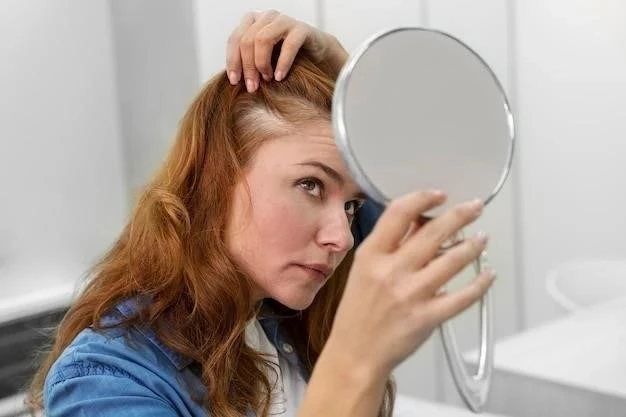
Many individuals seek solutions for diminishing hair density. Dietary aids are often explored as a non-invasive option to potentially support scalp health and follicle strength, aiming for improved growth.
The Role of Key Vitamins and Minerals
Addressing hair loss often involves examining nutritional deficiencies, as several essential vitamins and minerals play crucial roles in maintaining healthy hair growth cycles and follicle integrity. Biotin, a B-vitamin, is perhaps one of the most recognized for its contribution to keratin infrastructure, a primary protein of hair. Insufficient levels can lead to brittle hair and shedding. Vitamin D is another vital nutrient, with research suggesting its involvement in stimulating hair follicles and promoting new growth phases. Low vitamin D levels are frequently observed in individuals experiencing various forms of alopecia.
Iron deficiency, particularly in premenopausal women, is a common cause of hair thinning and loss. Iron is essential for oxygen transport to cells, including those in hair follicles. Zinc supports hair tissue growth and repair, playing a significant role in the oil glands surrounding follicles. A deficiency can manifest as hair loss. Vitamin C, a powerful antioxidant, protects follicles from damage and is crucial for collagen production and iron absorption. Selenium and Vitamin E offer antioxidant benefits, safeguarding scalp health. Adequate intake of these micronutrients is a foundational step in supporting hair vitality and mitigating loss.
Herbal Remedies and Their Potential
Beyond essential vitamins and minerals, a variety of herbal remedies are frequently explored for their potential to combat hair loss and promote scalp health. Saw Palmetto extract is one of the most popular, often cited for its purported ability to inhibit 5-alpha-reductase, an enzyme that converts testosterone into dihydrotestosterone (DHT), a hormone strongly linked to androgenetic alopecia. While research is ongoing, many users report positive effects. Another herb, Horsetail, is valued for its high silica content, which is believed to strengthen hair strands and improve elasticity, reducing breakage. Nettle root extract is also frequently included in formulations, often for its potential to modulate hormones and support follicle health. Ginkgo Biloba, known for improving circulation, may enhance blood flow to the scalp, potentially delivering more nutrients to hair follicles. Green tea extract, rich in antioxidants and catechins, may offer protective benefits against cellular damage and also influence hormone pathways. These natural compounds offer an alternative approach, often used alongside conventional treatments, to nourish the scalp and encourage robust hair growth, leveraging nature’s pharmacy for hair vitality.
What to Look for in a Quality Supplement
Selecting an effective hair loss supplement requires careful consideration to ensure you invest in a product that delivers real value. Firstly, scrutinize the ingredient list for transparency; reputable brands clearly state all components and their respective dosages. Avoid proprietary blends that hide specific amounts, making it difficult to assess efficacy. Look for supplements that utilize highly bioavailable forms of nutrients, as these are more readily absorbed and utilized by the body, maximizing their potential benefits. Third-party testing is a crucial indicator of quality and purity; independent labs verify that the product contains what it claims and is free from contaminants like heavy metals or harmful additives. Certifications such as Good Manufacturing Practices (GMP) ensure the supplement is produced under strict quality control standards. Check for the absence of unnecessary fillers, artificial colors, flavors, and preservatives, which add no therapeutic value and can sometimes cause adverse reactions. Finally, research the brand’s reputation, customer reviews, and their commitment to scientific backing. A transparent company that provides clear information about its sourcing and manufacturing processes instills greater confidence in its product’s integrity and potential effectiveness in supporting healthy hair growth and reducing loss. Prioritizing these aspects will guide you towards a truly high-quality supplement.
Important Considerations and Professional Advice
Before embarking on any supplement regimen for hair loss, it is paramount to seek personalized professional medical advice. Consulting a dermatologist or a healthcare provider is crucial to accurately diagnose the root cause of your hair thinning or loss. Various factors, including genetic predisposition, hormonal imbalances, nutritional deficiencies, stress, certain medications, and underlying medical conditions like thyroid disorders or autoimmune diseases, can contribute to hair shedding. Self-diagnosing and self-treating can delay effective treatment for more serious issues. A professional can conduct necessary tests, offer a precise diagnosis, and recommend the most appropriate course of action, which may or may not include supplements. They can also advise on potential interactions between supplements and any existing medications you are taking, or highlight possible side effects. Furthermore, it’s vital to maintain realistic expectations regarding supplement efficacy; results are often gradual and vary greatly among individuals. Supplements are typically most effective as part of a comprehensive approach that addresses diet, lifestyle, and any underlying health concerns. Always prioritize evidence-based recommendations over anecdotal claims. Regular follow-ups with your doctor are also important to monitor progress and adjust your treatment plan as needed, ensuring a safe and effective journey towards healthier hair.