
The Power of Omega-3 Supplements
January 1, 2026
Dietary Supplements for ADHD Management
January 1, 2026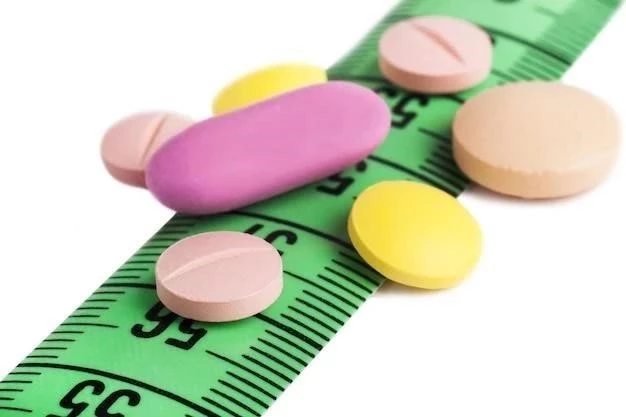
Weight loss supplements represent a multi-billion dollar industry, preying on the universal desire for a quick fix to shed excess pounds. Marketed with compelling claims of rapid fat burning, appetite suppression, and metabolism boosting, these products range from herbal remedies to synthetic compounds. While the allure of effortless weight loss is strong, understanding the science, potential benefits, and significant risks associated with these supplements is paramount for anyone considering their use. This article dissects weight loss supplements, providing an evidence-based perspective on mechanisms, common ingredients, effectiveness, and safety concerns.
How Weight Loss Supplements Are Claimed to Work
Weight loss supplements typically operate through one or more proposed mechanisms to aid in weight reduction. These mechanisms often target different physiological processes:
- Appetite Suppressants: These supplements aim to reduce hunger and caloric intake by making you feel fuller, or by affecting brain chemicals that regulate appetite. Common ingredients include fiber (like glucomannan) and certain stimulants.
- Fat Blockers: These work by interfering with the body’s ability to absorb dietary fat. They bind to fat in the digestive tract, preventing its breakdown and absorption, leading to it being excreted. Orlistat is a well-known example.
- Metabolism Boosters/Thermogenics: These products claim to increase the body’s metabolic rate, leading to greater calorie expenditure even at rest. They often contain stimulants that elevate heart rate and body temperature, such as caffeine and green tea extract.
- Carbohydrate Blockers: These supplements purport to inhibit the enzymes responsible for breaking down complex carbohydrates into simpler sugars, thereby reducing the absorption of carbs and calories. White kidney bean extract is a popular ingredient here.
- Diuretics: Some supplements include diuretics, which cause the body to excrete more water and sodium. While this can lead to temporary weight loss on the scale, it’s primarily water weight and does not reduce body fat. It also carries risks of dehydration and electrolyte imbalance.
Common Ingredients and Their Claims
The market is flooded with various ingredients, each with its own set of purported benefits. Here’s a look at some of the most common:
Green Tea Extract
Rich in catechins, particularly epigallocatechin gallate (EGCG), green tea extract is often touted for its metabolism-boosting and fat-burning properties. Some studies suggest a modest increase in fat oxidation, particularly during exercise, though results are often inconsistent and the effect is generally small.
Caffeine
A powerful stimulant found in coffee, tea, and many energy drinks, caffeine is a common ingredient in weight loss supplements. It can temporarily boost metabolism, increase fat burning, and suppress appetite. However, tolerance can develop, diminishing its effects over time, and high doses can lead to adverse effects.
Garcinia Cambogia
This tropical fruit extract contains hydroxycitric acid (HCA), which is claimed to inhibit a fat-producing enzyme and increase serotonin levels, potentially reducing appetite. Scientific evidence for its effectiveness in humans is weak and inconsistent, with many studies showing no significant impact on weight loss.
Conjugated Linoleic Acid (CLA)
CLA is a type of fatty acid found naturally in meat and dairy products. It’s marketed as a fat-burning and muscle-building supplement. While some animal studies show promising results, human studies have demonstrated only very modest weight loss, if any, and its long-term efficacy and safety are still under investigation.
Glucomannan
A natural, water-soluble dietary fiber derived from the konjac plant. It absorbs water and forms a viscous gel, promoting feelings of fullness and delaying stomach emptying. Several studies have shown that glucomannan can contribute to modest weight loss when combined with a calorie-restricted diet, primarily due to its appetite-suppressing effects.
Orlistat
Available both by prescription (Xenical) and over-the-counter in a lower dose (Alli), Orlistat works as a fat blocker by inhibiting pancreatic lipase, an enzyme that breaks down dietary fat. This leads to reduced fat absorption. It is one of the few weight loss drugs approved by regulatory bodies, but it comes with notable gastrointestinal side effects like oily stools and fecal incontinence.
Raspberry Ketones
These are natural compounds that give raspberries their characteristic aroma. They gained popularity after being featured on health television shows, with claims of increasing fat breakdown and metabolism. However, human studies supporting these claims are almost non-existent, and the vast majority of research has been conducted in test tubes or animals at extremely high doses.
Yohimbine
Derived from the bark of an African tree, yohimbine is marketed as a fat burner, particularly for stubborn fat areas. It works by blocking alpha-2 adrenergic receptors, which can increase the release of norepinephrine and potentially aid in fat mobilization. However, it carries significant risks, including elevated blood pressure, increased heart rate, anxiety, and gastrointestinal distress, especially at higher doses.
Bitter Orange (Synephrine)
Often used as a replacement for ephedra (which was banned due to safety concerns), bitter orange contains synephrine, a stimulant. It is claimed to increase metabolism and suppress appetite. While some studies suggest a modest effect, it can also raise blood pressure and heart rate, posing risks, particularly for individuals with cardiovascular conditions.
Effectiveness: What Does the Science Say?
Despite aggressive marketing, the scientific evidence supporting the widespread effectiveness of most weight loss supplements is largely underwhelming.
General Lack of Strong Evidence: For the vast majority of supplements, robust, long-term, peer-reviewed clinical trials demonstrating significant and sustained weight loss in humans are scarce or non-existent. Many studies are small, short-term, poorly designed, or funded by the supplement industry, leading to biased results.
Small Effects, Often Not Sustained: Even for ingredients with some scientific backing (like glucomannan or green tea extract), the observed weight loss is typically modest, often just a few pounds over several months, and rarely sustained once the supplement is discontinued without concurrent lifestyle changes.
Placebo Effect: A significant portion of any perceived benefit from weight loss supplements can often be attributed to the placebo effect. Believing a product will work can lead to subconscious changes in diet and activity, or simply a feeling of control that can influence results.
Risks and Side Effects
The unregulated nature of the supplement industry means that products can contain undisclosed ingredients, contaminants, or dosages that differ significantly from what’s stated on the label. This poses substantial health risks.
General Risks: Common side effects can include gastrointestinal issues (nausea, diarrhea, constipation), headaches, insomnia, nervousness, and elevated heart rate or blood pressure.
Specific Ingredient Risks: Certain ingredients carry more severe risks. Stimulants like caffeine, yohimbine, and bitter orange can cause heart palpitations, arrhythmias, high blood pressure, and anxiety. Some supplements have been linked to liver damage (e.g., green tea extract in very high doses or contaminated products) or kidney problems.
Interactions with Medications: Weight loss supplements can interact dangerously with prescription medications, including blood thinners, antidepressants, diabetes medications, and heart medications, leading to potentially life-threatening complications.
Unregulated Market Dangers: The FDA does not approve dietary supplements for safety or effectiveness before they are marketed. This means consumers are often taking products with unknown purity, potency, and potential for harm. Products have been found to contain prescription drugs, banned substances, or harmful contaminants.
Liver Damage and Heart Issues: There have been numerous documented cases of severe adverse events, including liver failure, kidney damage, heart attacks, and strokes, linked to the use of various weight loss supplements, particularly those containing stimulants or proprietary blends.
Who Should Consider Them?
Given the limited efficacy and significant risks, weight loss supplements are generally not recommended as a first-line approach for weight management.
Under Medical Supervision: If considering a supplement, it is absolutely crucial to consult a doctor or a registered dietitian. They can assess your individual health status, potential risks, and interactions with any existing medications or health conditions. They may also be able to recommend specific, well-researched options like Orlistat if appropriate for your situation and under strict medical guidance.
Not a Substitute for Lifestyle Changes: Supplements should never replace fundamental healthy lifestyle changes. They are, at best, a potential aid to a comprehensive plan, not a standalone solution.
The Importance of a Holistic Approach
Sustainable and healthy weight loss is achieved through a multi-faceted approach that addresses diet, exercise, and behavioral patterns.
Balanced Diet: Focusing on whole, unprocessed foods, lean proteins, fruits, vegetables, and healthy fats is the cornerstone of weight management. Calorie control, portion sizing, and mindful eating are far more effective than any pill.
Regular Exercise: A combination of cardiovascular exercise and strength training helps burn calories, build muscle mass (which boosts metabolism), and improve overall health.
Lifestyle Changes: Adequate sleep, stress management, and staying hydrated play crucial roles in metabolic health and appetite regulation.
Behavioral Changes: Addressing underlying eating habits, emotional eating, and developing coping mechanisms are vital for long-term success. Working with a therapist or counselor specializing in weight management can be highly beneficial.
Regulation and Safety
The regulatory landscape for dietary supplements is vastly different from that for pharmaceutical drugs, leading to significant consumer safety concerns.
FDA Role: In the U.S., the FDA regulates dietary supplements under the Dietary Supplement Health and Education Act (DSHEA) of 1994. Under DSHEA, manufacturers are responsible for ensuring their products are safe and accurately labeled before they are marketed. The FDA does not review or approve supplements before they are sold. They can only take action after a product is on the market and proven unsafe.
Consumer Responsibility: This regulatory framework places a heavy burden on consumers to be discerning. It’s essential to research ingredients, look for third-party certifications (e.g., USP, NSF International, ConsumerLab) that verify product contents and purity, and be skeptical of exaggerated claims.
Misleading Claims and Adulteration: The market is rife with products making outlandish claims without scientific backing. Furthermore, adulteration, where unapproved drugs or dangerous substances are secretly added to supplements, is a persistent problem, particularly in products marketed for rapid weight loss or sexual enhancement.
While the appeal of weight loss supplements is undeniable, the reality is that most offer little in the way of significant, sustainable results and often come with considerable health risks. There is no magic pill for weight loss. A critical, evidence-based approach reveals that the most effective and safest path to achieving and maintaining a healthy weight involves consistent dedication to a balanced diet, regular physical activity, adequate sleep, and mindful lifestyle choices. Before considering any weight loss supplement, a thorough consultation with a healthcare professional is not just highly advisable, but essential, to ensure safety and to make informed decisions that prioritize your long-term health and well-being.