
Understanding Supplements and Their Synonyms
May 16, 2026
Your Guide to Supplements on Queen Street
May 18, 2026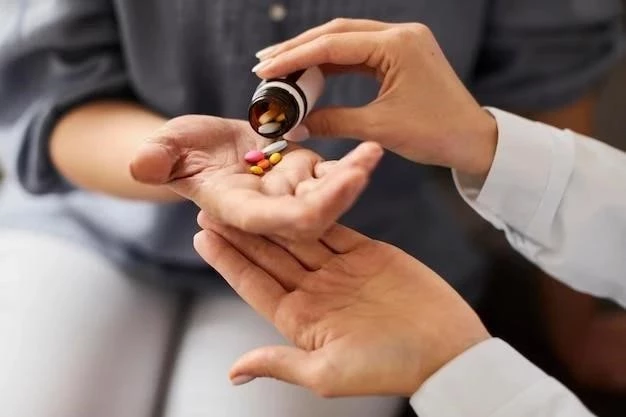
Facing cancer treatment‚ many patients seek complementary ways to support their bodies and alleviate side effects. The appeal of dietary supplements during chemotherapy is understandable‚ offering perceived control and hope. However‚ incorporating supplements demands extreme caution and close consultation with the oncology team. Interactions between supplements and chemotherapy drugs are complex‚ often unpredictable‚ and potentially detrimental.
Why Patients Consider Supplements
Patients often turn to supplements hoping to:
- Manage treatment symptoms (nausea‚ fatigue).
- Boost their immune system.
- Potentially enhance chemotherapy effectiveness or protect healthy cells.
- Gain a sense of control over their health.
The Risks and Concerns
Despite their perceived natural origin‚ supplements pose significant risks during chemotherapy.
Drug-Supplement Interactions
This is paramount. Many supplements interfere with how chemotherapy drugs are absorbed‚ metabolized‚ or excreted. Antioxidants‚ for instance‚ might reduce the efficacy of chemotherapies relying on oxidative stress to kill cancer cells. Conversely‚ some supplements can increase chemotherapy toxicity‚ leading to more severe side effects or organ damage.
Misinformation and Unproven Claims
The largely unregulated supplement market often lacks rigorous scientific testing for safety and efficacy in cancer patients. Unsubstantiated claims of “cancer-fighting” or “immune-boosting” properties can offer false hope‚ potentially diverting patients from proven treatments.
Masking Symptoms
Supplements might mask important chemotherapy side effects requiring medical attention‚ delaying crucial interventions.
Quality Control Issues
Lack of regulation means product quality‚ purity‚ and dosage vary widely‚ creating uncertainty about actual content.
Key Supplements Often Discussed
Antioxidants (e.g.‚ Vitamin C‚ E‚ Beta-carotene)
A significant debate surrounds antioxidants during chemotherapy. While protecting healthy cells‚ some chemotherapies use oxidative mechanisms to target cancer cells. High-dose antioxidants might theoretically protect cancer cells‚ reducing treatment efficacy. Evidence is mixed‚ necessitating caution.
Herbal Supplements (e.g.‚ St. John’s Wort‚ Turmeric‚ Ginger‚ Ginseng)
- St. John’s Wort: Interacts with numerous drugs‚ including chemotherapies‚ by altering drug metabolism.
- Turmeric/Curcumin: Can interact with blood thinners and potentially some chemotherapy agents.
- Ginger: Often used for nausea; high doses may have anticoagulant effects‚ problematic during surgery or with certain drugs.
- Ginseng: Can interact with some chemotherapies and hormone therapies.
Vitamins and Minerals
While deficiencies should be addressed (often via diet or medical prescription)‚ routine high-dose supplementation is generally not recommended without specific medical indication and oversight. Folic acid can interfere with methotrexate. Iron supplements are for diagnosed deficiencies only.
Probiotics
Considered for gut health/diarrhea. Generally safe‚ but severely immunocompromised patients should discuss with their doctor due to a small infection risk.
The Importance of Communication
Crucially‚ discuss every supplement‚ herb‚ vitamin‚ or dietary change with your entire oncology team – doctors‚ nurses‚ pharmacists – before starting. They understand your specific cancer‚ treatment regimen‚ and potential interactions best.
Guidance for Patients
To ensure safety and optimize treatment outcomes:
- Be Transparent: Inform your team about everything you take.
- Prioritize Evidence: Focus on treatments with strong scientific support.
- Err on the Side of Caution: If in doubt about a supplement’s safety or interaction potential‚ it’s safer to avoid it during active treatment.
- Address Deficiencies: If diagnosed with a deficiency‚ your doctor will advise safe ways to address it.
While the desire for well-being during chemotherapy is natural‚ using dietary supplements involves complexities and potential dangers. Your prescribed cancer treatment’s safety and efficacy must be the priority. Maintain open‚ honest dialogue with your oncology team to make informed decisions that support your health without compromising treatment outcomes.