
Essential Supplements for Optimizing Health in Later Life
January 1, 2026
Zinc Supplements
January 1, 2026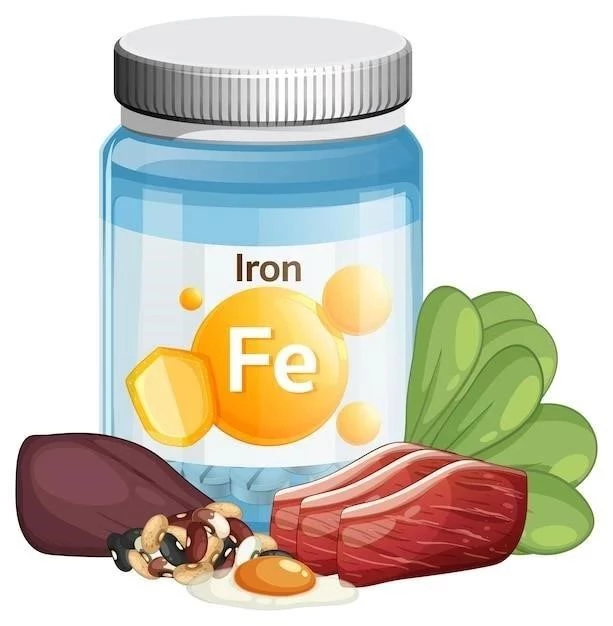
The Purpose of 200mg Iron Supplements
These potent supplements are formulated to replenish critically low iron stores in individuals suffering from significant iron depletion, supporting vital bodily functions.
Addressing Severe Iron Deficiency
Severe iron deficiency, frequently diagnosed as iron deficiency anemia, profoundly impacts an individual’s well-being, leading to extreme fatigue, shortness of breath, dizziness, and noticeable pallor. A 200mg iron supplement is routinely prescribed in such serious cases to swiftly elevate iron levels. This significant dosage is crucial for effectively saturating the body’s severely depleted iron binding sites and jumpstarting robust red blood cell production. It works to restore hemoglobin, which is absolutely essential for efficient oxygen transport throughout the entire body, thereby alleviating the debilitating symptoms associated with severe deficiency. The primary goal is to not only correct the immediate deficiency but also to rebuild substantial, long-term iron reserves. This therapeutic approach is always undertaken under strict medical guidance to monitor progress and prevent any potential adverse effects.
Understanding Dosage and Potency
When considering 200mg iron supplements, it’s crucial to differentiate between the total weight of the iron compound and the elemental iron content, which is the amount actually absorbed by the body. A 200mg dose typically refers to the weight of the iron salt, such as ferrous sulfate, fumarate or gluconate. For instance, 200mg of ferrous sulfate usually provides approximately 65mg of elemental iron. This distinction is vital because the body utilizes only the elemental iron. This dosage is considered high potency, specifically formulated for significant iron depletion rather than daily maintenance. Lower doses, such as 30-60mg elemental iron, are common for milder deficiencies or prophylactic use. Therefore, always check the supplement label for the precise elemental iron quantity to ensure appropriate and effective treatment, guided by medical advice.
Safe Administration and Considerations
Proper guidance is essential for 200mg iron supplement intake, ensuring patient safety and avoiding adverse outcomes through careful monitoring and informed decisions.
Potential Side Effects and Management
Taking 200mg iron supplements can often lead to various gastrointestinal side effects. Patients commonly report experiencing nausea, constipation, stomach cramps, and sometimes diarrhea. Stools may also appear darker than usual, which is a harmless but expected effect of iron supplementation. These symptoms, while common, can significantly impact a patient’s comfort and adherence to treatment. To manage these discomforts effectively, it is often recommended to take the supplement with food, although specific food interactions should be carefully considered to avoid reducing absorption—a nuance best clarified by a healthcare provider. Ensuring adequate hydration throughout the day and maintaining a diet rich in dietary fiber can significantly help alleviate constipation. If side effects become severe, persistent, or unmanageable, it is crucial to consult a doctor immediately to discuss potential dosage adjustments, alternative formulations, or other management strategies. Never alter your prescribed dosage without explicit medical advice, as this high potency requires professional oversight to ensure both therapeutic effectiveness and paramount patient’s well-being.
Maximizing Absorption and Efficacy
To ensure optimal absorption and maximize the efficacy of 200mg iron supplements, several strategies can be employed. A primary recommendation is to take the iron with a source of Vitamin C, such as orange juice or a Vitamin C supplement, as ascorbic acid significantly enhances iron uptake in the digestive tract. Conversely, certain substances can inhibit absorption and should be avoided around the time of supplementation. These include calcium-rich foods and supplements, dairy products, coffee, tea, and antacids, which contain compounds that bind to iron, making it less available for absorption. It is generally advised to consume these inhibitors at least two hours before or after taking iron. While taking iron on an empty stomach often yields the best absorption, if gastrointestinal side effects occur, taking it with a small amount of food that doesn’t hinder absorption, like fruit, might be a suitable compromise. Consistent daily intake as prescribed is paramount for replenishing iron stores effectively and achieving therapeutic goals. Regular monitoring by a healthcare professional will help assess progress and ensure the treatment plan remains appropriate for sustained well-being.