
Global Origins of Dietary Supplements
June 13, 2026
Niacin Vitamin B3 Guide
June 13, 2026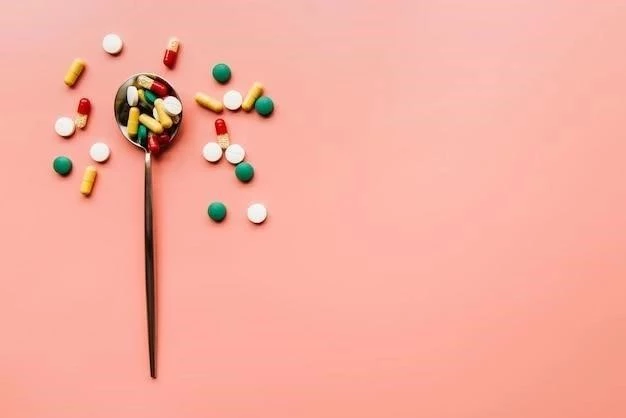
The terms “supplements” and “drugs” are often confused, yet they represent fundamentally distinct categories in health and medicine. While both can impact the body, their definitions, regulatory oversight, intended purposes, and safety standards diverge significantly. Grasping these differences is crucial for informed health decisions.
Supplements: Purpose and Regulation
Dietary supplements include vitamins, minerals, herbs, amino acids, and other substances designed to supplement the diet. Available without prescription, they aim to fill nutritional gaps or support general well-being, not to treat specific diseases. In the U.S., the FDA regulates supplements under the Dietary Supplement Health and Education Act (DSHEA) of 1994, treating them more like foods. Crucially, manufacturers are responsible for product safety, but supplements do not require FDA approval for safety or efficacy before marketing. The FDA intervenes post-market if harm occurs or claims are unsubstantiated, leading to variable quality and purity across brands.
Drugs: Purpose and Regulation
Drugs (pharmaceuticals) are substances intended to diagnose, cure, mitigate, treat, or prevent disease, or to affect body function. This includes both over-the-counter (OTC) and prescription medications. Drugs undergo an extremely rigorous FDA approval process. Manufacturers must prove a drug’s safety and efficacy through extensive clinical trials before it can be marketed. This stringent pre-market review ensures benefits outweigh risks, and mechanisms of action are well-understood, with precise dosages calibrated for therapeutic effect.
Key Distinctions
- Regulatory Oversight: Drugs require pre-market FDA approval for safety and efficacy; supplements do not.
- Intended Use: Drugs treat diseases; supplements enhance general health or address nutritional gaps.
- Proof of Efficacy: Drugs must demonstrate scientific proof from trials; supplements generally don’t have this stringent requirement.
- Manufacturing Standards: Drugs adhere to strict Good Manufacturing Practices (GMPs); supplement GMPs exist but are less rigorously enforced.
Important Considerations
While “natural” sounds benign, some supplement compounds can exert drug-like effects and interact negatively with medications or health conditions. For instance, St. John’s Wort can interfere with antidepressants. Therefore, “natural” does not equate to “safe.” Always consult a healthcare professional before starting any new supplement, especially if you are on medication or have chronic health issues.
Supplements and drugs are fundamentally different, governed by distinct regulatory frameworks and designed for separate purposes. Drugs undergo rigorous testing for disease treatment, whereas supplements support general health without the same pre-market scrutiny for efficacy. Recognizing these core differences is essential for making informed, safe health choices and underscores the importance of professional medical advice.