
Supplements for Fatty Liver Disease
June 12, 2026
Supplements and Drugs Understanding the Key Differences
June 13, 2026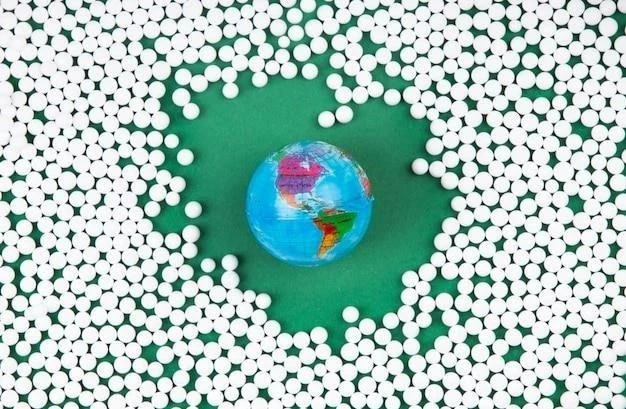
The 21st century has seen a significant surge in the popularity and diversity of dietary supplements. No longer niche, these products are a global phenomenon, driven by increasing health-consciousness, scientific advancements, and a blend of traditional wisdom with modern innovation. But from which countries do these supplements primarily originate, considering research, production, and market influence?
USA: Global Powerhouse of Supplement Innovation and Market Dominance
The United States is the undisputed leader in the 21st-century supplement industry. Its vast market size, coupled with a liberal regulatory framework (DSHEA 1994), has fostered innovation and rapid product development. American companies are at the forefront of novel ingredient research, from advanced protein formulations and sports nutrition products to nootropics and adaptogens. The emphasis on scientific backing, often via university research and clinical trials, drives much of the global ingredient supply chain and product trends. Many multinational supplement brands are headquartered here, shaping global market directions.
Asia’s Ascendance: Japan & South Korea Leading Specialized Trends
While the USA dominates in volume, Asia has carved out significant niches, influencing global trends with specialized ingredients and approaches.
Japan’s Precision & Tradition
Japan is a pioneer in specific categories. Its focus on “FOSHU” (Foods for Specified Health Uses) leads to rigorous scientific validation for functional foods and supplements. Japanese innovation excels in areas like collagen peptides for skin health, advanced probiotics for gut health, and botanical extracts like green tea catechins and mushrooms (e.g., reishi, shiitake). The country’s meticulous quality control and research contribute to highly specialized, premium products gaining international recognition.
South Korea’s Innovation & K-Beauty Influence
South Korea, famous for K-beauty, extends its innovative approach to “inner beauty” supplements. Products featuring ingredients like ginseng, fermented extracts, hyaluronic acid, and ceramides are popular domestically and increasingly sought globally. Rapid tech adoption and strong consumer demand drive a dynamic market, often integrating traditional Hanbang with modern scientific formulations. Their influence is growing, especially in cosmetics and anti-aging sectors.
Europe’s Regulatory Rigor & Herbal Heritage
European countries, particularly Germany, France, and the UK, contribute significantly to the global supplement landscape, with emphasis on quality and scientific validation. Strict regulatory environments, often aligning with pharmaceutical standards, ensure high-quality production and responsible ingredient sourcing. Europe excels in advanced herbal extracts, leveraging centuries of traditional medicine knowledge combined with modern extraction techniques and clinical research. German brands are renowned for quality and efficacy in areas like joint health (glucosamine, chondroitin) and botanical remedies. French companies often lead in marine-derived ingredients and beauty-from-within formulations. The European focus generally gravitates towards established ingredients with robust scientific evidence and stringent manufacturing processes, fostering trust.
Ancient Wisdom, Modern Forms: China & India
China and India, with their rich traditions of Traditional Chinese Medicine (TCM) and Ayurveda, respectively, represent immense reservoirs of ancient knowledge and invaluable raw materials. While their domestic supplement markets are burgeoning, their primary global influence in the 21st century often stems from the supply of potent herbal extracts and high-quality raw ingredients. Many Western supplement brands widely source standardized extracts of ginseng, turmeric (curcumin), ashwagandha, ginger, and various medicinal mushrooms from these regions. There’s a noticeable and growing trend towards modernizing these ancient systems, with scientific research increasingly validating traditional claims and leading to new, globally appealing and efficacious formulations.
The Interconnected Future of Supplement Sourcing
The 21st-century supplement industry is truly global. While specific countries lead in certain aspects – the USA in market size and broad innovation, Japan and Korea in specialized niches, Europe in regulatory quality and herbal science, and China/India in traditional ingredients – the future is increasingly interconnected. Ingredients are sourced globally, research is collaborative, and consumer trends cross borders with unprecedented speed. A single “21st-century supplement” is often a mosaic of global contributions, embodying international research, diverse ingredients, and cross-cultural wellness philosophies.