
Supplements Versus Food Understanding Their Roles
April 12, 2026
Bare Performance Nutrition BPN An In-Depth Look
April 13, 2026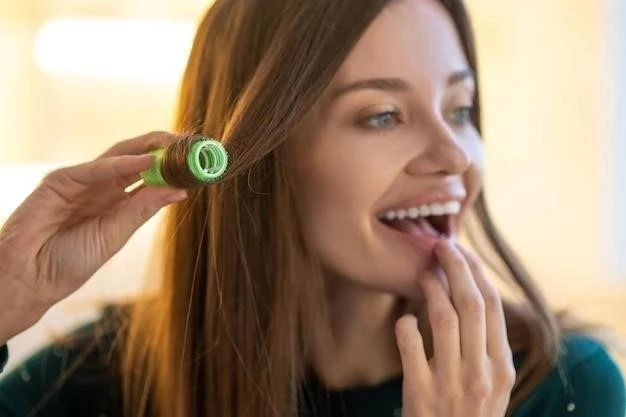
Hair loss, a common concern affecting millions worldwide, can significantly impact self-esteem. While genetics, hormones, medical conditions, and stress are culprits, nutritional deficiencies often play a pivotal role. A balanced diet is fundamental, but supplements can support growth, strengthen strands, and improve overall hair health. This guide explores key supplements linked to promoting hair growth.
Understanding Hair Loss and the Vital Role of Supplements
Hair follicles are metabolic units, sensitive to stressors. Lacking essential vitamins, minerals, or proteins disrupts the hair growth cycle, leading to thinning or shedding. Supplements aim to bridge these nutritional gaps, providing building blocks for optimal follicular function and maintaining the anagen (growth) phase.
Biotin (Vitamin B7)
Often lauded as the “hair vitamin,” biotin is a B-complex vitamin crucial for metabolizing fats, carbohydrates, and proteins – all essential for healthy hair. While severe deficiency is rare, supplementing can improve brittle nails and, in some cases, strengthen hair, especially for those with an underlying deficiency. It supports keratin production, hair’s primary protein.
Vitamin D
Beyond bone health, Vitamin D is crucial in the hair growth cycle. Research suggests Vitamin D receptors are in hair follicles; deficiency links to various forms of alopecia. Adequate Vitamin D levels are vital for initiating and maintaining the anagen phase, promoting healthy follicle function.
Iron
Iron deficiency anemia is a significant cause of hair loss, particularly in women. Iron is essential for producing hemoglobin, carrying oxygen to cells, including those stimulating hair growth. Low iron starves follicles of oxygen and nutrients, causing premature shedding. Supplementing iron, under medical supervision, can reverse this loss.
Zinc
An essential trace mineral, zinc is involved in cell growth, repair, immune function, and protein synthesis. It plays a critical role in hair tissue growth and repair, helps oil glands around follicles function properly, and may inhibit follicle regression. Deficiency can lead to hair loss and slow wound healing.
Vitamin C
A powerful antioxidant, Vitamin C is vital for collagen production, a structural protein crucial for healthy hair. It also aids iron absorption, making it an excellent companion to iron supplements. By fighting free radical damage, Vitamin C protects hair follicles from oxidative stress, contributing to hair aging and loss.
Vitamin E
Another potent antioxidant, Vitamin E improves blood circulation to the scalp, ensuring nutrient delivery to follicles. It protects cells from damage, reduces oxidative stress, and can improve hair elasticity and shine. Its anti-inflammatory properties may also soothe an irritated scalp environment.
Omega-3 Fatty Acids
Found in fish oil, flaxseed, and walnuts, omega-3s are essential fatty acids the body cannot produce. They nourish hair follicles, reduce scalp inflammation, and can improve hair density and reduce shedding. They contribute to a healthy scalp environment, crucial for strong hair growth.
Collagen
The most abundant body protein, collagen is a key component of hair structure. As we age, collagen production decreases, potentially leading to thinner, weaker hair. Supplementing with collagen peptides provides amino acids to build hair proteins, strengthen hair, and support the dermal layer where hair roots are embedded.
Saw Palmetto
A popular herbal remedy, saw palmetto combats hair loss by potentially blocking the enzyme 5-alpha-reductase, which converts testosterone into DHT. High DHT levels link to androgenetic alopecia (pattern baldness). While research is ongoing, many find it beneficial for slowing hair thinning.
Marine Protein Complex (e.g., Viviscal)
Proprietary blends often featuring marine protein extracts (like shark and mollusk powder), combined with vitamins and minerals, have shown promise in clinical studies. These complexes are believed to nourish thinning hair and promote existing hair growth by providing a rich source of specific amino acids and micronutrients to hair follicles.
Important Considerations Before Starting Supplements
- Consult a Healthcare Professional: Consult your doctor or dermatologist before starting new supplements, especially with underlying conditions or medications. They identify deficiencies and recommend doses.
- Patience is Key: Hair growth is slow. It can take several months (typically 3-6 months) of consistent supplementation to observe noticeable improvements, as follicles need time to respond and grow new hair.
- Holistic Approach: Supplements work best with a healthy lifestyle, including a balanced diet, stress management, adequate sleep, and gentle hair care. No supplement is a magic bullet.
- Potential Side Effects: Some supplements can cause side effects (e.g., digestive upset from iron, nausea from high-dose biotin) or interact with medications. Adhere to recommended dosages.
- Quality Matters: Choose high-quality supplements from reputable brands that undergo third-party testing for purity and potency.
While supplements can support addressing hair loss and promoting healthier hair, they are not substitutes for proper diagnosis and treatment of underlying causes. By understanding specific nutrients and approaching supplementation thoughtfully under professional guidance, individuals can enhance their chances of achieving hair health goals. Consistency, patience, and a holistic approach are paramount for optimal results.