
Probiotics at Chemist Warehouse A Comprehensive Guide
July 21, 2026
Biotin: Benefits, Deficiency, and Supplementation
July 21, 2026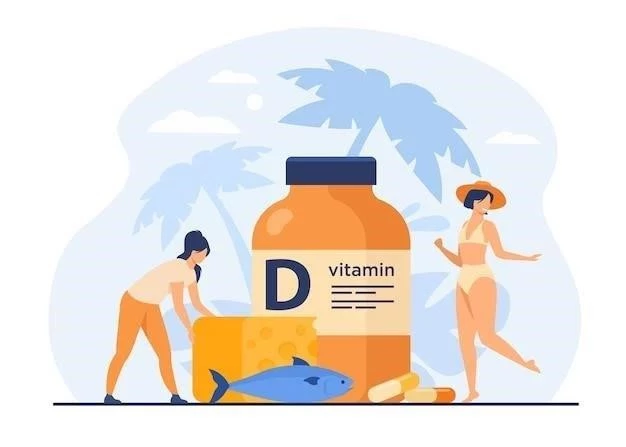
Vitamin D3, also known as cholecalciferol, is a crucial nutrient for overall health, impacting bone health, immune function, and mood regulation. While our bodies can produce Vitamin D3 when exposed to sunlight, many factors – like location, season, skin pigmentation, and lifestyle – often lead to deficiency. This necessitates supplementation. Here’s a detailed look at the primary sources of Vitamin D3 supplements:
Animal Sources
Historically, the most common source of Vitamin D3 supplements has been derived from animals. These are generally considered high-quality and readily absorbed.
- Cod Liver Oil: A traditional source, cod liver oil is rich in both Vitamin D3 and Vitamin A. Dosage needs careful consideration due to Vitamin A’s potential for toxicity.
- Lanolin: Derived from sheep’s wool, lanolin is a byproduct of wool processing. It’s a significant source for many D3 supplements.
- Fish Oil: While primarily known for Omega-3 fatty acids, some fish oils also contain Vitamin D3.
Plant-Based Sources (Vitamin D2 & Conversion)
While true Vitamin D3 from plant sources is rare, Vitamin D2 (ergocalciferol) is commonly found in plants and fungi. The body can convert D2 to D3, but the conversion rate is less efficient than producing D3 directly.
- Mushrooms: Certain mushrooms, especially those exposed to UV light during growth, can produce significant amounts of Vitamin D2. UV-exposed mushrooms are increasingly available as supplements.
- Yeast: Some yeast strains can be cultivated to produce Vitamin D2.
Lichen-Derived Vitamin D3
A relatively newer and increasingly popular source, lichen-derived Vitamin D3 offers a vegan-friendly option that provides actual D3, not D2.
Lichen is a symbiotic organism composed of fungi and algae. It’s cultivated in a controlled environment and exposed to UV light to produce D3. This is a sustainable and ethical alternative to animal-derived sources.
Synthetic Vitamin D3
Vitamin D3 can also be synthesized in a laboratory setting. While chemically identical to naturally sourced D3, some individuals prefer naturally derived options.
Choosing the Right Source
Consider these factors when selecting a Vitamin D3 supplement:
- Dietary Restrictions: Vegan/vegetarian individuals should opt for lichen-derived or D2 supplements.
- Absorption: D3 is generally better absorbed than D2.
- Purity & Quality: Look for supplements from reputable brands that undergo third-party testing.
- Dosage: Consult with a healthcare professional to determine the appropriate dosage for your needs.