

Finding and Choosing the Best Local Supplements Store
January 1, 2026
Understanding Menopause and Supplementation
January 1, 2026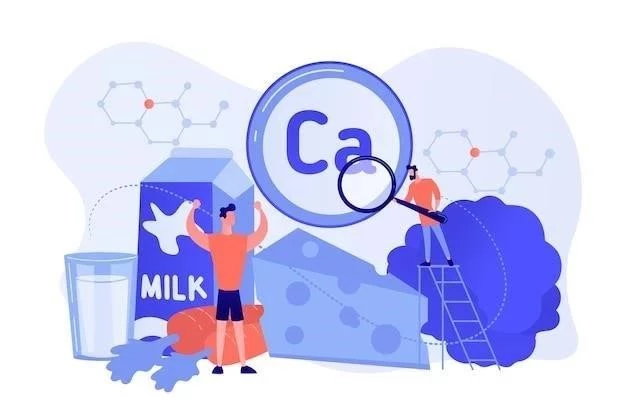
Calcium is a vital mineral, playing a crucial role in maintaining strong bones, nerve function, muscle contraction, and heart health. While a balanced diet is the ideal source of calcium, many individuals struggle to meet their daily requirements through food alone. This is where calcium supplements come into play, offering a convenient way to bridge the nutritional gap and support overall health.
Why Calcium is Important
Beyond its well-known role in bone health, calcium is integral to numerous bodily functions:
- Bone and Teeth Health: Approximately 99% of the body’s calcium is stored in bones and teeth, providing structural support and acting as a reservoir for maintaining calcium levels in the blood.
- Muscle Function: Calcium ions are essential for muscle contraction, including the beating of your heart.
- Nerve Transmission: It facilitates communication between the brain and other parts of the body by aiding nerve signal transmission.
- Hormone Secretion: Calcium plays a role in the secretion of various hormones and enzymes.
- Blood Clotting: It’s a key factor in the complex process of blood coagulation.
Who Might Need Calcium Supplements?
While food sources like dairy products, leafy greens, and fortified foods are excellent, certain populations may benefit from supplementation:
- Individuals with Insufficient Dietary Intake: Those who don’t consume enough calcium-rich foods.
- Postmenopausal Women: Estrogen decline accelerates bone loss, increasing the risk of osteoporosis.
- Vegans and Lactose-Intolerant Individuals: Restricted diets can make it challenging to obtain adequate calcium.
- People with Certain Medical Conditions: Conditions like Crohn’s disease, celiac disease, or kidney disease can impair calcium absorption.
- Long-term Corticosteroid Users: These medications can interfere with calcium metabolism.
Types of Calcium Supplements
Calcium supplements come in various forms, each with different absorption rates and side effect profiles:
- Calcium Carbonate:
- Most common and least expensive.
- Contains 40% elemental calcium.
- Best absorbed when taken with food due to its reliance on stomach acid.
- Can cause constipation, gas, and bloating in some individuals.
- Calcium Citrate:
- Contains 21% elemental calcium.
- Absorbed equally well with or without food, as it doesn’t require stomach acid.
- Often preferred for individuals with low stomach acid (e.g., older adults, those on acid blockers).
- Less likely to cause constipation.
- Other Forms: Calcium gluconate (9% elemental calcium) and calcium lactate (13% elemental calcium) are also available but contain lower concentrations of elemental calcium, meaning more pills might be needed to reach the desired dose.
Dosage and Absorption Tips
The Recommended Daily Allowance (RDA) for calcium varies by age and sex, typically ranging from 1,000 to 1,200 mg for most adults. To maximize absorption and minimize side effects:
- Divide Doses: The body can only absorb about 500-600 mg of elemental calcium at a time. If you need more, divide your dose throughout the day.
- Take with Food (Carbonate): As mentioned, calcium carbonate is best taken with meals;
- Combine with Vitamin D: Vitamin D is crucial for calcium absorption. Many supplements combine both.
- Avoid Interactions: Take calcium supplements at a different time than iron supplements, thyroid hormones, or certain antibiotics.
Potential Side Effects and Risks
While generally safe, calcium supplements can have side effects, especially when taken in excessive amounts:
- Digestive Issues: Constipation, gas, and bloating are common, particularly with calcium carbonate.
- Kidney Stones: A higher intake of calcium from supplements, particularly without adequate fluid intake, has been linked to an increased risk of kidney stones in some susceptible individuals.
- Hypercalcemia: Excessively high blood calcium levels are rare from supplements alone but can occur, leading to nausea, vomiting, confusion, and heart rhythm abnormalities.
- Cardiovascular Concerns: Some studies have suggested a possible link between high-dose calcium supplements and an increased risk of heart disease, though evidence remains mixed and inconclusive. It’s crucial to discuss this with your doctor.
Interactions with Medications
Calcium supplements can interact with several medications, potentially affecting their efficacy:
- Thyroid Hormones (Levothyroxine): Calcium can reduce the absorption of thyroid medication. Take them at least four hours apart.
- Antibiotics (Tetracyclines, Fluoroquinolones): Calcium can bind to these antibiotics, reducing their absorption. Separate doses by several hours.
- Bisphosphonates (e.g., Alendronate): Used for osteoporosis, these drugs also need to be taken separately from calcium.
- Diuretics (Thiazide): Can increase calcium levels in the blood.
- Iron Supplements: Calcium can inhibit iron absorption. Take them at different times of the day.
Choosing the Right Supplement
Making an informed choice involves considering several factors:
- Elemental Calcium: Check the label for the amount of elemental calcium, not just the total calcium compound.
- Form: Choose carbonate for cost-effectiveness (with food) or citrate for better absorption without food and fewer digestive issues.
- Vitamin D: Opt for supplements that also contain vitamin D to enhance absorption.
- Purity and Quality: Look for supplements with third-party verification (e.g., USP seal) to ensure purity, potency, and absence of contaminants.
- Consult Your Doctor: Always discuss your needs with a healthcare professional to determine if supplementation is necessary and what dosage is appropriate for you. They can assess your diet, medical history, and other medications.
Natural Sources vs. Supplements
Prioritizing dietary sources of calcium is always recommended before turning to supplements. Excellent sources include dairy products (milk, yogurt, cheese), fortified plant-based milks, fortified cereals, dark leafy greens (kale, spinach), sardines, and tofu.
Calcium supplements can be a valuable tool for maintaining adequate calcium levels, especially for those unable to meet their needs through diet alone. However, they are not without potential side effects and interactions. Understanding the different types, proper dosage, and potential risks is crucial. Always consult with a healthcare professional before starting any new supplement regimen to ensure it’s appropriate for your individual health needs and to avoid adverse effects.