
Understanding Sleep Supplements
February 19, 2026
Demystifying Dietary Supplements
February 19, 2026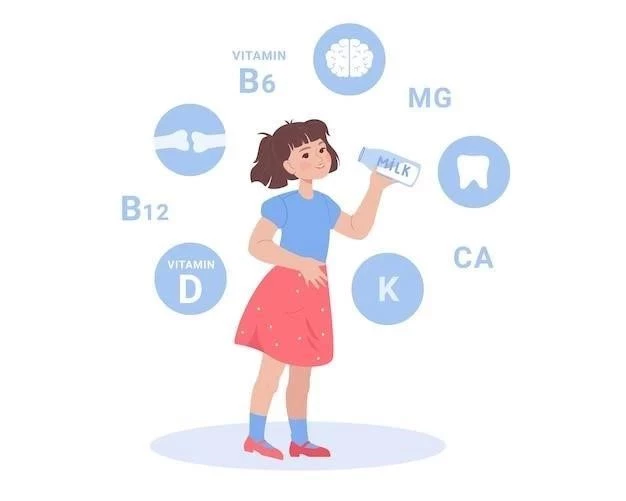
In our health-conscious era, vitamin and mineral supplements are ubiquitous, promising to bridge nutritional gaps and bolster well-being. From daily multivitamins to targeted nutrient boosts, these products aim to complement our diets. Understanding their role, benefits, and pitfalls is crucial for informed use.
Why Consider Supplements?
While a balanced diet remains the cornerstone of good health, factors lead individuals to consider supplementation:
- Dietary Gaps: Modern diets or restrictive eating (e.g., veganism) can make obtaining all necessary nutrients challenging.
- Increased Needs: Certain life stages (pregnancy, old age) or intense physical activity elevate nutrient requirements.
- Environmental Factors: Limited sun exposure can lead to vitamin D deficiency.
- Medical Conditions: Malabsorption or specific diseases may necessitate supplementation under medical guidance.
Common Types and Their Benefits
The supplement market is vast, but some key players:
- Multivitamins: A nutritional safety net, providing a broad spectrum of essential vitamins and minerals in lower doses.
- Vitamin D: Crucial for bone health, immune function, and mood. Widespread deficiency makes it popular.
- Vitamin C: A powerful antioxidant vital for immune support, skin health, and collagen production;
- B Vitamins: Essential for energy metabolism and nervous system health. B12 is vital for vegans.
- Calcium & Magnesium: Fundamental for bone density, muscle function, and nerve transmission.
- Iron: Prevents anemia, crucial for oxygen transport. Often recommended for menstruating women.
- Omega-3 Fatty Acids: From fish oil or algae, vital for heart health, brain function, and reducing inflammation.
Important Considerations and Risks
While beneficial, supplements have considerations:
- Not a Substitute: They cannot replace the complex nutrients found in whole foods.
- Potential for Overdose: Especially with fat-soluble vitamins (A, D, E, K), excessive intake can lead to toxicity.
- Drug Interactions: Supplements can interact with medications, altering efficacy or increasing side effects (e.g., Vitamin K with blood thinners).
- Quality and Regulation: The industry is less strictly regulated than pharmaceuticals. Look for third-party certifications (e.g., USP, NSF).
- Individual Needs: What benefits one may not be safe for another. Personalized advice is key.
Consulting a Healthcare Professional
Before incorporating any new supplement, consult a doctor or registered dietitian. They assess your nutritional status, identify deficiencies, evaluate diet and medications, and provide tailored guidance. This ensures supplements are used safely and effectively, maximizing benefits while minimizing risks.
Vitamin and mineral supplements can be valuable tools in a holistic health strategy, especially when deficiencies or increased needs are identified. However, they are best viewed as complements to, not replacements for, a nutrient-rich diet. By prioritizing whole foods, understanding individual requirements, and seeking expert guidance, you can navigate supplements wisely, harnessing their potential to support optimal health.