
The Green Revolution Top 5 Supplements for Health
January 1, 2026
Understanding Testosterone Decline And Supplement Options
January 1, 2026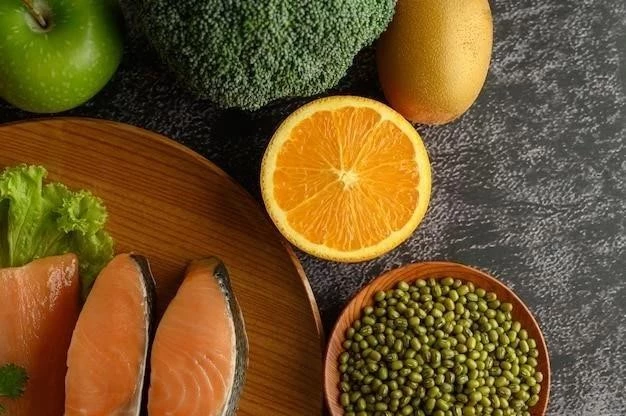
Zinc is an essential trace mineral vital for numerous physiological processes within the human body. As the body cannot produce zinc on its own, it must be obtained through diet or supplementation. Zinc supplements have gained popularity due to their wide-ranging health benefits, particularly for individuals who may not get enough from their daily food intake. This article delves into the importance of zinc, its key benefits, different forms of supplements, and considerations for safe usage.
Zinc plays a crucial role in over 300 enzyme reactions, participating in metabolism, DNA synthesis, protein production, and cell division. It is fundamental for immune function, wound healing, and maintaining the senses of taste and smell. While many foods contain zinc, certain dietary restrictions, health conditions, or life stages can lead to deficiency, making supplementation a valuable option for maintaining optimal health.
Immune System Support
Perhaps one of the most well-known benefits, zinc is indispensable for a robust immune system. It helps in the development and function of immune cells, including T-lymphocytes and natural killer cells. Adequate zinc levels can help reduce the duration and severity of common colds and other infections, especially when taken at the onset of symptoms, by modulating immune responses and reducing inflammation.
Wound Healing and Skin Health
Zinc is critical for skin integrity and repair. It is involved in collagen synthesis, inflammatory response, and cell proliferation, all essential for effective wound healing. Deficiencies can significantly impair the healing process. Furthermore, zinc’s anti-inflammatory and antioxidant properties contribute to clearer skin and may benefit conditions like acne by reducing inflammation and bacterial growth.
Cell Growth and DNA Synthesis
Given its pivotal role in cell division and DNA synthesis, zinc is fundamental for proper growth and development, particularly during pregnancy, childhood, and adolescence. It ensures proper cell replication and repair, supporting overall bodily maintenance and regeneration throughout life.
Taste, Smell, and Cognitive Function
Zinc is necessary for the proper functioning of taste buds and olfactory receptors. A deficiency can lead to altered or reduced senses of taste and smell, impacting appetite and quality of life. Emerging research also suggests a role for zinc in neuronal function and cognitive processes, including memory, learning, and mood regulation.
Antioxidant Power
Zinc acts as a powerful antioxidant, helping to protect cells from oxidative stress caused by harmful free radicals. This protective action is vital for preventing cellular damage and reducing the risk of chronic diseases such as heart disease, certain cancers, and age-related macular degeneration, which are often associated with oxidative stress.
Hormone Regulation
Zinc plays a crucial role in the production and regulation of several hormones, including insulin, thyroid hormones, and sex hormones like testosterone and estrogen. Proper zinc levels are important for maintaining hormonal balance, which impacts metabolism, mood, reproductive health, and overall endocrine function.
Who Might Benefit from Zinc Supplementation?
Certain populations are at higher risk of zinc deficiency and may particularly benefit from supplements:
- Vegetarians and Vegans: Plant-based diets often contain phytates, which can inhibit zinc absorption.
- Older Adults: Absorption efficiency can decrease with age, and dietary intake may be lower.
- Pregnant and Lactating Women: Increased demand for zinc for fetal development and milk production.
- Individuals with Gastrointestinal Disorders: Conditions like Crohn’s disease, ulcerative colitis, or celiac disease can impair nutrient absorption.
- Alcoholics: Alcohol consumption can decrease zinc absorption and increase its excretion.
- Those with Chronic Kidney Disease: Impaired kidney function can affect zinc levels and excretion.
- Individuals with Chronic Stress or Intense Exercise: Increased metabolic demand can deplete zinc.
Common Forms of Zinc Supplements
Zinc supplements come in various forms, each with differing bioavailability and potential side effects:
- Zinc Gluconate: One of the most common and affordable forms, often used in cold lozenges and oral supplements.
- Zinc Picolinate: Often marketed for superior absorption, though scientific research on its benefits over other forms is mixed.
- Zinc Citrate: Readily absorbed and generally well-tolerated, making it a popular choice.
- Zinc Acetate: Used in some cold remedies, similar to gluconate, for its purported immune benefits.
- Zinc Sulfate: A less expensive form, but may cause more stomach upset and nausea compared to other forms.
- Zinc Monomethionine: Often combined with amino acids for potentially better absorption and reduced gastric irritation.
Dosage, Safety, and Potential Side Effects
The Recommended Dietary Allowance (RDA) for zinc is 11 mg/day for adult men and 8 mg/day for adult women (11-12 mg/day during pregnancy/lactation). Therapeutic doses for specific conditions can be significantly higher but should always be guided and monitored by a healthcare professional.
Excessive zinc intake can lead to adverse effects, including nausea, vomiting, diarrhea, stomach cramps, and headaches. Long-term high-dose supplementation (typically exceeding 40 mg/day, the tolerable upper intake level for adults) can interfere with copper absorption, potentially leading to copper deficiency, which can manifest as neurological issues, anemia, and weakened immunity. Zinc can also interact with certain medications, such as antibiotics (quinolones and tetracyclines), diuretics, and penicillamine, reducing their effectiveness or increasing side effects. Always consult a doctor or a registered dietitian before starting any new supplement, especially if you have underlying health conditions or are currently on medication, to determine the appropriate dosage and form.
Dietary Sources of Zinc
Before considering supplements, it’s always best to aim to get adequate zinc from food. Excellent dietary sources include red meat (especially beef and lamb), poultry (chicken, turkey), seafood (especially oysters, crab, lobster), dairy products (milk, cheese, yogurt), beans, nuts (cashews, almonds), whole grains, and fortified cereals. Incorporating these into your regular diet can help maintain adequate zinc levels naturally and provide other essential nutrients.
Zinc is an indispensable mineral that supports a multitude of bodily functions, from immune defense and wound healing to cognitive health and hormone balance. While a balanced diet is the primary source of this vital nutrient, zinc supplements can play a crucial role for individuals at risk of deficiency or those needing therapeutic support under medical guidance. Always prioritize consulting a healthcare professional to determine appropriate dosage and ensure safe use, thereby maximizing its numerous benefits without adverse effects.