

The Distinct Advantages of Liquid Iron Supplements
January 1, 2026
Supplements for Blood Pressure Management
January 1, 2026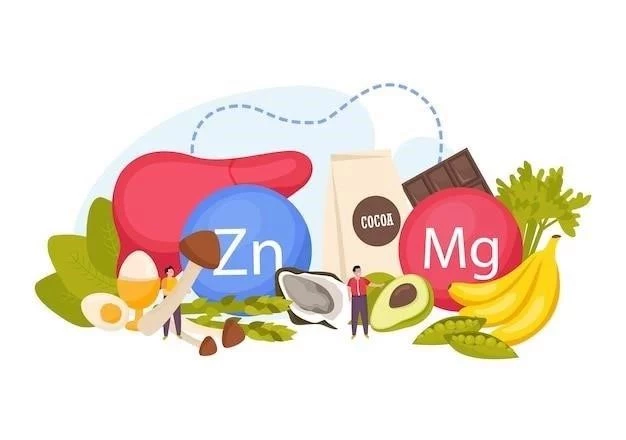
Zinc and magnesium are two essential minerals, critical for countless bodily functions. While often discussed individually, their synergistic relationship makes them a popular pairing in dietary supplements. Understanding their roles, potential deficiencies, and how supplementation contributes to overall well-being is key to harnessing their full potential.
The Indispensable Role of Magnesium
Magnesium is an abundant mineral, participating in over 300 enzymatic reactions. Its influence spans energy production, muscle and nerve function, and bone health. Often called “nature’s tranquilizer,” it’s critical for stress reduction and sleep.
Key Functions of Magnesium:
- Energy Production: Essential for ATP synthesis, the body’s primary energy currency.
- Muscle & Nerve Function: Regulates muscle contractions and nerve signals, preventing cramps.
- Bone Health: Contributes to bone structure and density, working with calcium and vitamin D.
- Blood Sugar Regulation: Helps maintain healthy blood glucose levels.
- Blood Pressure Regulation: Supports cardiovascular health by relaxing blood vessels.
- DNA & RNA Synthesis: Crucial for genetic material creation and repair.
- Protein Synthesis: Involved in forming proteins from amino acids.
Magnesium Deficiency: A Widespread Concern
Magnesium deficiency (hypomagnesemia) is common, particularly with modern processed diets. Symptoms are varied, subtle, and challenging to diagnose. Risk factors include certain medications, GI disorders, chronic alcohol use, and type 2 diabetes.
Common Symptoms of Magnesium Deficiency:
- Muscle cramps and spasms
- Fatigue and weakness
- Nausea and loss of appetite
- Irregular heartbeat
- Anxiety, depression, and irritability
- Insomnia and poor sleep quality
- Headaches and migraines
Forms of Magnesium Supplements
Various forms offer different absorption rates and benefits:
- Magnesium Citrate: Highly bioavailable, often used for constipation relief.
- Magnesium Glycinate: Well-absorbed, gentle on the stomach, known for calming properties.
- Magnesium L-Threonate: Crosses the blood-brain barrier, potentially benefiting cognitive function.
- Magnesium Oxide: Less bioavailable, primarily used as a laxative or antacid.
- Magnesium Malate: Often recommended for energy and muscle pain.
The Vital Impact of Zinc
Zinc, an essential trace mineral, is involved in over 300 enzyme reactions. It plays a pivotal role in immune function, wound healing, DNA synthesis, and cell division. Its importance for growth and development, especially during childhood and pregnancy, is immense. Zinc also significantly impacts taste and smell perception.
Key Functions of Zinc:
- Immune System Support: Crucial for the development and function of immune cells.
- Wound Healing: Essential for collagen synthesis and tissue repair.
- DNA Synthesis & Cell Division: Fundamental for cell growth and reproduction.
- Protein Synthesis: Involved in the creation of proteins.
- Sensory Function: Maintains healthy taste and smell.
- Antioxidant Properties: Helps protect cells from oxidative stress.
- Hormone Regulation: Plays a role in testosterone production and insulin function.
Zinc Deficiency: A Global Health Challenge
Zinc deficiency is also widespread, especially in developing countries, but can occur in developed nations due to dietary choices or malabsorption. Vegetarians, vegans, pregnant women, and individuals with digestive disorders are at higher risk.
Common Symptoms of Zinc Deficiency:
- Impaired immune function (frequent infections)
- Slow wound healing
- Hair loss
- Loss of appetite
- Taste and smell disturbances
- Skin lesions and acne
- Growth retardation in children
- Diarrhea
Forms of Zinc Supplements
Common zinc supplement forms include:
- Zinc Picolinate: Highly absorbable form.
- Zinc Gluconate: Often found in cold remedies and lozenges.
- Zinc Acetate: Similar to gluconate, used in cold remedies.
- Zinc Citrate: Well-absorbed and commonly available.
- Zinc Sulfate: Can be more irritating to the stomach.
The Synergistic Power: Zinc and Magnesium Together
While both minerals are vital alone, their combined benefits can be particularly potent. They often work in conjunction, supporting each other’s roles in various physiological processes. For instance, magnesium is required for vitamin D activation, which in turn helps regulate zinc levels.
Why Take Them Together?
- Enhanced Sleep Quality: Both minerals contribute to relaxation and sleep. Magnesium aids in regulating calming neurotransmitters, while zinc can impact sleep cycles.
- Immune System Boost: A robust immune system relies on adequate zinc (for immune cell function) and magnesium (for cellular health and anti-inflammatory responses).
- Muscle Recovery & Performance: Athletes often supplement with both, as magnesium aids muscle relaxation and energy, while zinc is crucial for repair and testosterone production.
- Hormone Balance: Both play roles in hormone regulation, including thyroid and sex hormones.
- Mood Regulation: Magnesium’s calming effects combine with zinc’s role in neurotransmitter function to support mental well-being.
Dosage, Timing, and Considerations
Recommended daily allowances (RDAs) vary by age, sex, and life stage. Always consult a healthcare professional before starting any new supplement regimen to determine appropriate dosages, as excessive intake can lead to adverse effects.
General Guidelines:
- Magnesium: Typical supplemental doses range from 200-400 mg per day. Often recommended in the evening due to its relaxing effects.
- Zinc: Typical supplemental doses range from 15-30 mg per day. High doses over prolonged periods can interfere with copper absorption.
- Timing: Some recommend taking zinc with food to prevent stomach upset, while magnesium can be taken with or without food. Taking them together is generally fine.
Potential Side Effects and Precautions:
- Magnesium: High doses can cause diarrhea, nausea, and abdominal cramping. Extremely high doses can lead to magnesium toxicity (hypermagnesemia), particularly with kidney impairment.
- Zinc: Excessive zinc intake can cause nausea, vomiting, diarrhea, abdominal pain, and headache. Chronic high doses can lead to copper deficiency, impaired immune function, and reduced HDL (“good”) cholesterol levels.
- Interactions: Both minerals can interact with certain medications (e.g., antibiotics, diuretics).
Who Might Benefit from Supplementation?
Certain groups are more prone to deficiencies and may benefit:
- Athletes: Due to increased mineral loss through sweat and higher demands for muscle recovery.
- Individuals with Stress or Sleep Issues: Magnesium’s calming properties and zinc’s role in mood can be beneficial.
- Vegans and Vegetarians: Plant-based diets can sometimes be lower in bioavailable forms of these minerals, and phytates can inhibit absorption.
- Elderly Individuals: Absorption efficiency may decrease with age.
- People with Digestive Disorders: Conditions like Crohn’s or celiac disease can impair nutrient absorption.
- Pregnant and Lactating Women: Increased demands for both minerals.
- Individuals with Chronic Alcohol Use: Alcohol can deplete mineral stores.
Zinc and magnesium are foundational minerals, each playing a vast and critical role in human health. From bolstering the immune system and supporting neurological function to enhancing sleep and promoting muscle recovery, their individual contributions are immense. When considered together, their synergistic effects offer a powerful approach to optimizing overall well-being. While a balanced diet should always be the primary source of nutrients, strategic supplementation, guided by professional advice, can be an effective way to address deficiencies and unlock the full spectrum of health benefits these essential minerals provide.